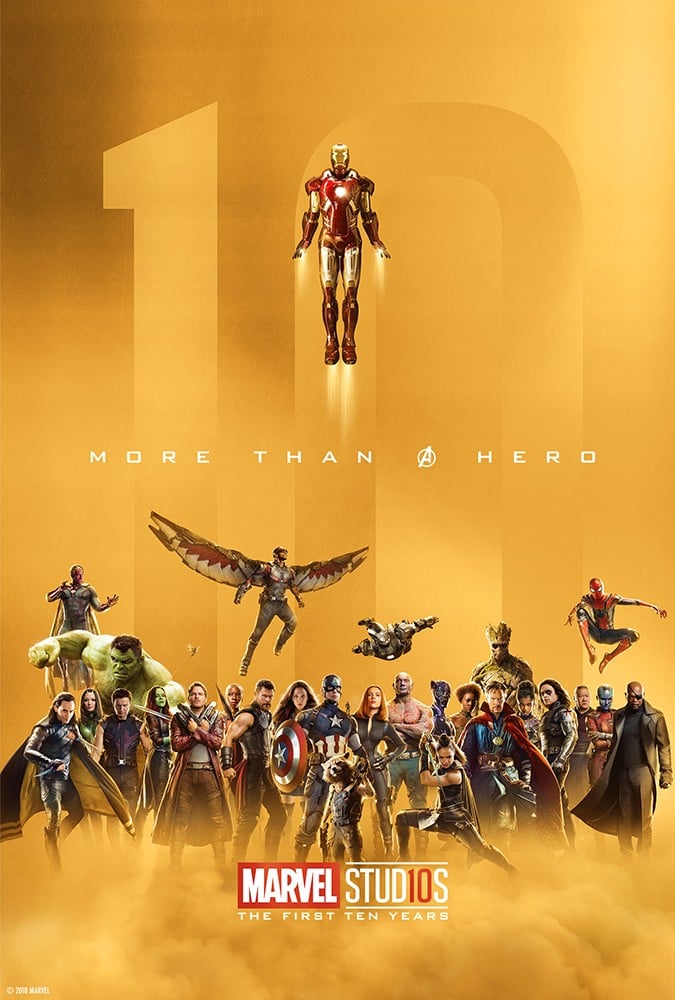
The rise of a transmedia global entity was no happy accident. Many blockbuster franchises have floundered at the box office, such as Universal's Dark Universe which tried to kick start itself in 2014 with Dracula Untold, but was restarted in 2017 with The Mummy. That was labelled both a critical failure and a box office bomb, with loss projections estimated at $95 million leaving the universe in a stagnant state. Even the DC Extended Universe continues to spin in turmoil as it revamps its focus to single told stories known as Elseworld films, as its only real success both critically and financially was in 2017 with Wonder Woman.
The MCU went further than creating a string of sequels, it created a webbed narrative where its films could have a different cast of characters, but the stories were set in the same world. A lead role from one film may appear as a side character in another, take Iron Man the face of the MCU, he appears as a mentor to a young and naive Peter Parker in Spider-Man: Homecoming. Whilst others appearances may be cameos, notably in the same film Captain America appears in a motivational video that is played to Parker's school. Not only do the characters jump from film to film, a plot point in one movie is often a set up for another and stories were deliberately seeded in earlier films. This back fired in Avengers: Age of Ultron as it has tried many fans patience with side-plots that were irrelevant to the films main narrative.
Not to mention the whole complexity of linking the narratives of the films into the TV shows. Whilst Agent's of Shield tried to keep up with the expanding universe, with guest appearances from Samuel L Jackson, Nick Fury, in the first season. It soon became too much for the writers and fans to keep up with. Now in its fifth season AOS purely relies on the films big events as a catalyst for its own storylines. Even the Netflix series (Daredevil, Jessica Jones, Iron Fist, Luke Cage and The Punisher) which are set in New York, simply go by naming events from the films instead of being directly involved in any actual plot developments.
But will audiences begin to tire of the superhero trend? 2019 is already shaping up to be the year of the superhero with a record setting eleven films being released; compared to six in 2018. There's the usual amount of Marvel movies (3 a year), the increased output from Warner Bro's and DC and the final string of Fox X-Men titles are set to be released.

(Screenshot from Spider-Man 2002)
Superhero films in general saw rise to blockbuster success post 9/11. The film industry provided a series of culturally relevant films that gave audiences what they needed in a time of crisis; hope, assurance, conflict and resurrection. Those who went to the movies in 2001 will have seen a trailer for Spider-Man which was due to be released in May 2002. It featured Spider-Man trapping a helicopter of bank robbers between the Twin Towers. It was quickly pulled out of circulation along with posters which reflected the towers in his eyes. The US box office the following year was a record high, totalling 1.64 billion moviegoers and Spider-Man ranked in the highest domestic growth of 2002, beating huge franchises such as Lord of the Rings and Star Wars. Fans clung onto a figure who could save the country or, in this case defend New York the heart of fear. Since then it is not hard to see the culturally relevant messages ingrained within the MCU. Its opening film Iron Man (2008) revolves around the protagonists guilt of making his fortune by selling weapons of mass destruction to terrorists in the middle east.

The problem then lies in that fact that Marvel is only two films away from completing its third phase, making its franchise 22 films long to date. During an press interview Kevin Feige stated that "the best stories have a definitive ending to a storyline. That’s certainly what’s going to happen next year with Avengers 4." As of a countdown created for the 100 days before Infinity War campaign, there was already 209 hours and 28 minutes worth of content which includes everything from the films, TV shows and its short films called One Shots.
Moreover, whilst it may be an ending for the Avengers, it isn't an ending to the collective franchise. Chris Evans and Robert Downey Jr's contracts may soon be expiring, but Disney Ceo Bob Iger has revealed "we've plotted out Marvel movies that will take us well into the next decade [...] we will try our hand at what I'll call a new franchise beyond Avengers, but that doesn't necessarily mean you won't see more Avengers down the road." The question is, will fans want to go through the whole process again, this time with different characters?
Moreover, whilst it may be an ending for the Avengers, it isn't an ending to the collective franchise. Chris Evans and Robert Downey Jr's contracts may soon be expiring, but Disney Ceo Bob Iger has revealed "we've plotted out Marvel movies that will take us well into the next decade [...] we will try our hand at what I'll call a new franchise beyond Avengers, but that doesn't necessarily mean you won't see more Avengers down the road." The question is, will fans want to go through the whole process again, this time with different characters?

Well in regards to the Television side, Marvel's Netflix shows have been losing viewers for years, and as a result Luke Cage and Iron Fist were cancelled after two seasons. Whilst Netflix doesn't provide viewing figures, Screen Rant had spoken to Jumpshot, a San Francisco based analytics company. It looked at viewing behaviour and activity of the company's US members. Whilst it is US based and gathers data's based on clicks it gives a good indication of the viewing statistics. Daredevil managed to sustain it's viewing figures over time, which can be linked to his familiarity as he is a long running fan favourite and had his own feature film pre the MCU, although was received to negative reception.

In regards to the movies, the average Rotten Tomato audience score for every film in the MCU is 83.3%. With Box Office figures being strong worldwide, with four out of twenty being ranked in the top ten, with it's latest entry ranking 4th. It is notable, however, that the flagship films (The Avengers) in the MCU are those in the top ten. With the discrepancy of Black Panther which took the world by storm by being the first of it's kind. It's a movie that explores what it means to be black in both America and Africa and in a broad sense in the world. Tackling complicated themes such as race and identity.
The figures also reveal Marvel's saturation in the superhero market. Since the resurgence in 2002 there has been a whole host of franchises that have entered the market; The DCEU, Fox's X-Men, DC's Superman and Batman films pre-DCEU and Sony's Spider-Man with many more that are likely to have been forgotten.

The figures also reveal Marvel's saturation in the superhero market. Since the resurgence in 2002 there has been a whole host of franchises that have entered the market; The DCEU, Fox's X-Men, DC's Superman and Batman films pre-DCEU and Sony's Spider-Man with many more that are likely to have been forgotten.

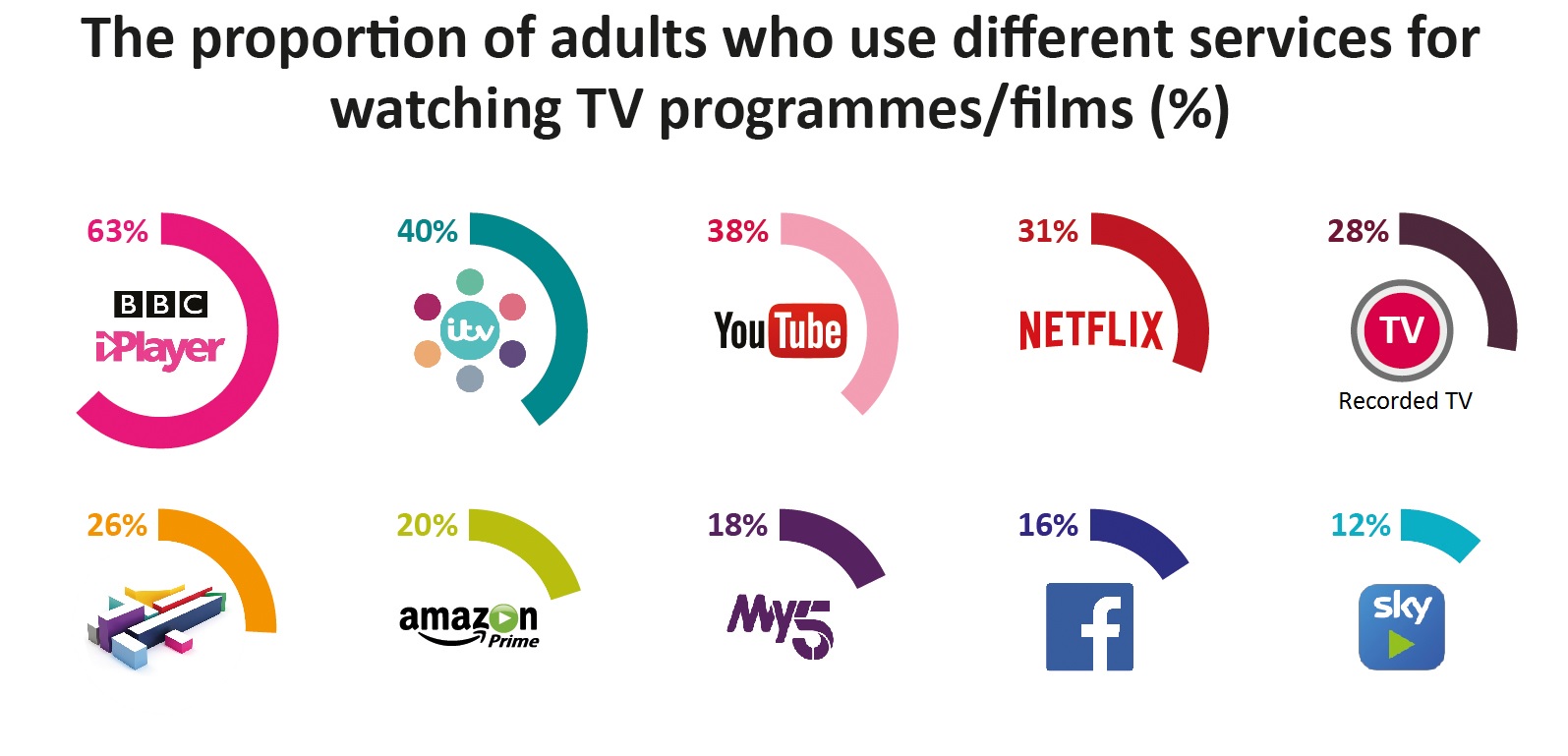
In a world of convergence audiences are already split between viewing platforms and their viewing time is precious. Whilst this isn't a problem for Marvel as it has a wide reach of media, it still has to remain relevant and interesting to retain audience viewing. It's already began to lose its audience figures on Netflix and with Tom Hiddleson's Loki series coming to Disney + the audience is only going to getting more and more fragmented as they navigate a fast growing number of services which provide VOD content. European Cinemas are worried most about the loss of the youth market, which is a predominant audience for Marvel Studios as they continue to shift their focus away from shared communal spaces to watching VOD content in their bedrooms. Whilst Marvel is sustaining itself so far, it won't be long before the cracks begin to appear and it falls under its own weight.

Over a series of blog posts I will be aiming to dig deep into the bowels of the MCU, whilst is has been the leading provider for Superhero content. It is not without its flaws and if it's not careful it may burn itself into the ground. If Marvel is to start the process of large scale storytelling again then it should take some time to reflect on not only what worked on screen but how it operates off screen. The MCU must also take into account the growing world of convergence as audiences move away from the cinemas and into their own homes. Notable topics in the blog will include; diverse representation, the Fox and Disney merger, the complexity of studio rights, streaming service competition, marketing and contending for an Oscar.
This blog post is dedicated to Stan Lee (1922-2018)

As of writing this post, Stan Lee died age 95 on the 12th of November 2018. Without him, Jack Kirby and Steve Ditko none of this would be possible. Stan Lee leaves behind a legacy of characters to which he created. Ant-Man, Ancient One, The Avengers, Beast, Black Panther, Black Widow, Captain Marvel, Cyclops, Daredevil, Doctor Strange, Fantastic Four, Groot, Hawkeye, Hulk, Human Torch, Iceman, Invisible Woman, Iron Man, Jean Grey, Mister Fantastic, Nick Fury, Professor X, Quicksilver, Scarlet Witch, Spider-Man, Thing, Thor, Wasp, X-Men, Doctor Doom, Doctor Octopus, Green Goblin, Kaecilus, Kingpin, Loki, Magneto, Sandman, Vulture and Whiplash.
Thank you Stan, rest in peace.
Thank you Stan, rest in peace.

No comments:
Post a Comment